What to know about Harrow Council cleaning disposal rules
If you have ever finished a deep clean and stood there with a bucket of dirty water, a pile of used cloths, or a bag of waste that smells faintly of old upholstery foam, you will know the awkward part comes after the cleaning. What do you actually do with it? That is where What to know about Harrow Council cleaning disposal rules becomes useful. The short version is simple: cleaning waste should be sorted, contained, and disposed of in a way that protects people, drains, and the environment. The longer version is where the real value is, especially if you are cleaning at home, managing a rented property, or running a business in Harrow.
This guide breaks the topic down in plain English. You will learn what usually counts as cleaning waste, why disposal matters, how to handle liquid and solid waste safely, where people often go wrong, and which habits make life much easier. It is a practical article, not a lecture. Let's face it, no one wants a council rule to become a household drama.
Table of Contents
- Why Harrow Council cleaning disposal rules matter
- How cleaning disposal works in practice
- Key benefits and practical advantages
- Who this is for and when it makes sense
- Step-by-step guidance
- Expert tips for better results
- Common mistakes to avoid
- Tools, resources and recommendations
- Law, compliance, standards and best practice
- Options, methods and comparison table
- Case study or real-world example
- Practical checklist
- Conclusion
- Frequently asked questions
Why Harrow Council cleaning disposal rules matter
Cleaning waste looks harmless at first glance. A bit of grey water, a few wipes, some packaging, maybe a worn-out sponge. But the wrong disposal method can cause blocked drains, odours, slip hazards, pest issues, or contamination. For households, the problem is usually inconvenience. For landlords, cleaners, and businesses, it can become a compliance and reputational issue very quickly.
In a borough like Harrow, disposal habits matter because waste systems are shared. What goes into the sink, bin, or public waste stream affects more than one property. A single careless pour-down-the-drain can travel further than you think. And if you are dealing with specialist cleaning jobs such as upholstery, carpets, or stain removal, the waste is often wetter, dirtier, or more chemically mixed than people expect.
There is also the trust side of it. Customers tend to notice whether a cleaner leaves a room tidy, controls waste properly, and takes a sensible approach to recycling. It says a lot. You can do excellent work on the carpet, but if the disposal side is messy, the whole job feels unfinished. If you want to see how a responsible cleaning business frames that side of its work, the recycling and sustainability approach is a useful place to start.
How cleaning disposal works in practice
Most people overcomplicate this. In reality, cleaning disposal usually comes down to three things: separating waste correctly, preventing contamination, and using the right disposal route. The exact method depends on what you are throwing away.
1. Liquid waste
Dirty rinse water, extraction water, and diluted cleaning solution need careful handling. Small amounts of mild, water-based waste may be manageable in a controlled way, but you should never treat all liquid waste the same. Waste that contains grease, heavy soil, disinfectant residue, paint, solvent, bodily fluids, or pet contamination needs a more cautious approach. If you are not sure, pause and treat it as potentially problematic rather than guessing. That tiny pause can save you a blocked sink later.
2. Solid waste
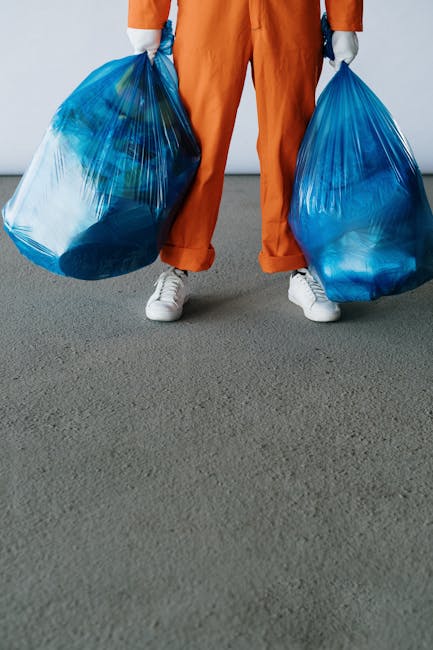
Used cloths, disposable wipes, dust bags, gloves, packaging, and removed debris should be bagged securely. If a waste item is wet, leaking, or contaminated, do not leave it loose in a general bin. Double-bagging is often the simplest practical answer. It is not glamorous, but it works.
3. Specialist waste
Some cleaning jobs produce waste that should not be handled casually. Think mouldy materials, damaged absorbent pads from spill response, chemical containers, or items contaminated with sharp debris. In a business setting, these can require a more formal waste procedure. Even in a home setting, you should avoid mixing them into ordinary rubbish if there is a safer route.
4. Drain and sink use
The big question many people ask is, "Can I just pour it away?" Sometimes, maybe. But not always, and not by default. Drains are not a dumping ground for lint, food residue, strong chemicals, oils, or thick cleaning sludge. If you have ever seen water back up in a sink after someone rinsed out a heavily soiled mop head, you will know why. The drain always has the last laugh.
If you are handling larger cleaning jobs or commercial spaces, it is worth looking at the broader operational side too. A service page such as commercial carpet cleaning is relevant because business waste handling is usually more demanding than domestic cleaning.
Key benefits and practical advantages
Following proper disposal practice is not just about avoiding trouble. It makes cleaning easier, quicker, and more predictable. That sounds simple, but it has real day-to-day value.
- Cleaner spaces after the job - no lingering waste bags, drips, or stray debris.
- Lower risk of blockages - fewer clogged sinks, drains, and internal pipes.
- Better hygiene - contaminated items stay contained instead of spreading dirt around.
- More professional presentation - especially useful for landlords, offices, and customer-facing premises.
- Less stress - you know what goes where, instead of making a rushed decision at the bin.
- More sustainable habits - reusable items can be cleaned and reused, while recyclable packaging is separated properly.
There is also a quieter benefit: good disposal habits reduce friction. You spend less time worrying whether a bag is too wet, whether a cloth should go in general waste, or whether the sink is going to smell tomorrow morning. That mental load matters more than people admit.
Who this is for and when it makes sense
This topic is relevant to more people than you might expect. It is not just for cleaning companies or council teams. If you live in Harrow, manage a rental, run a business, or simply like keeping your home in order, the same basic principles apply.
Homeowners and tenants
If you deep clean carpets, sofas, rugs, or mattresses at home, you will generate dirty water, fabric waste, and used materials. Even a weekend clean can create more waste than a normal bin bag can handle. Tenants in particular should be careful, because bad disposal can create avoidable issues with shared drains, communal bins, or property damage.
Landlords and letting agents
When you turn over a property, waste can accumulate quickly: old mats, damaged curtains, stained textiles, and cleaning residue from pre-let preparation. A tidy disposal routine helps prevent complaints and keeps void periods shorter. It also makes inspections less awkward. No one wants to find soggy cloths in a utility room on check-out day.
Cleaning businesses
Professional cleaners need a more formal approach because they handle waste repeatedly and across different properties. The key concerns are consistency, safe transport, and clear procedures for hazardous or contaminated materials. If you are reviewing service standards, it helps to know how a business addresses safety and accountability. Pages like health and safety policy and insurance and safety are the sort of trust signals that matter.
Businesses and public-facing premises
Offices, clinics, rental halls, hospitality venues, and retail spaces tend to produce a wider range of waste. Food residue, spill materials, disposable gloves, and floor cleaning waste all need separate handling. The better your system, the less likely staff are to improvise. And improvisation is where things usually go sideways.
Step-by-step guidance
If you want a simple way to handle cleaning disposal without overthinking it, use this process.
- Identify the waste type. Ask whether it is liquid, solid, contaminated, sharp, chemical-based, or recyclable.
- Separate reusable from disposable items. Microfibre cloths, mop heads, and some tools can usually be washed and reused.
- Contain wet or dirty waste. Use sealed bags or lidded containers so it does not drip through the property.
- Keep chemicals in their original containers where possible. Do not mix leftovers together. That sounds efficient, but it can be risky.
- Dispose of ordinary rubbish through the normal bin route. Only once you are sure it is safe and appropriate.
- Rinse tools safely. Use controlled water use and avoid sending solids or fibres into the drain.
- Check whether anything needs special handling. If the waste contains hazardous material, contaminated sharps, or unusual substances, stop and use a more formal route.
- Clean the disposal area itself. Wipe down bin lids, sink edges, and surrounding surfaces.
A practical example helps here. Say you have cleaned a family sofa after a pet accident. You may have used absorbent cloths, a stain treatment, gloves, and an extraction machine. The cloths and gloves should be bagged. The dirty extraction water needs careful handling. The sofa waste is probably not hazardous, but the pet contamination means you should not be casual about it. That is the kind of job where a specialist service such as pet stain and odour removal can save time and reduce mess.
Expert tips for better results
Here is the stuff people learn after a few awkward jobs, not before.
- Use two containers: one for clean tools, one for waste. It sounds obvious, but it stops cross-contamination immediately.
- Pre-sort before you start: a small setup at the beginning saves a lot of faffing later.
- Keep a "wet waste" bag ready: if something is damp, it goes straight in. No hovering around on the floor.
- Label chemical leftovers clearly: even in a home, this prevents confusion.
- Let heavy sludge settle where possible: then dispose of the separated material more safely rather than tipping the whole lot away.
- Use washable materials when you can: this cuts down on waste and cost.
- Do not rush the final check: a 30-second sweep for drips, loose fibres, and forgotten cloths saves a lot of grief.
Another small but useful habit: keep the disposal routine tied to the type of clean you are doing. Rug clean, different waste profile. Steam clean, different moisture level. Upholstery clean, often more lint and fabric residue. Once the routine matches the task, it becomes almost automatic. Almost.
If you are comparing cleaning methods and how they affect waste, the following service pages can help you think more clearly: steam carpet cleaning, upholstery cleaning, and rug cleaning. Different methods create different disposal needs, which is easy to overlook until the mop bucket is full.
Common mistakes to avoid
These are the slip-ups that cause most avoidable problems.
- Pouring too much down the sink - especially dirty water, lint, or thick residue.
- Mixing chemicals - never assume two cleaning products will play nicely together.
- Leaving wet waste open - it smells, leaks, and spreads mess fast.
- Throwing contaminated items into loose general waste - this creates hygiene problems for everyone handling the bin.
- Ignoring fabric residue and fibres - they accumulate in drains and trap more dirt later.
- Using one bin for everything - it becomes a mixed mess and nobody enjoys that.
- Forgetting the transport stage - what you move out of a property still has to travel safely to the bin or disposal point.
One common mistake is assuming "it's only a small amount." That phrase causes more problems than people realise. A small amount of the wrong thing is still the wrong thing. To be fair, most mistakes come from rushing, not malice. But the council, the landlord, and the drain do not really care about intentions.
Tools, resources and recommendations
You do not need a fancy setup to handle cleaning waste properly. A sensible kit is usually enough.
- strong bin liners
- sealed containers or buckets with lids
- microfibre cloths and washable pads
- rubber gloves for handling contaminated items
- labels or marker pens for temporary identification
- a separate caddy for cleaning chemicals
- absorbent materials for spill control
For businesses and more demanding domestic jobs, it also helps to have clear written procedures. That does not need to be complicated. A one-page checklist is often enough. If you want a sense of how a service provider organises its customer-facing policies and practical expectations, the pages on pricing and quotes and terms and conditions can be useful in showing how professional processes are presented.
And if sustainability matters to you, start with reusable tools, reduced chemical use, and better sorting. The difference is usually visible after just a few jobs. Fewer bin bags. Less smell. Less waste. Simple, really.
Law, compliance, standards and best practice
When cleaning disposal touches waste regulation, drainage, or contamination, the safest approach is to follow accepted UK waste-handling practice and local council guidance. Exact duties can vary depending on the type of waste, whether you are a household or a business, and what the material contains. So, if you are dealing with anything unusual, do not assume a domestic routine is enough.
In broad terms, the best practice is straightforward:
- Do not contaminate recycling.
- Do not send unsuitable liquids into drains.
- Keep hazardous or potentially hazardous waste separate.
- Store waste securely before collection or disposal.
- Document procedures for staff where relevant.
For commercial settings, compliance is especially important because staff turnover, multiple cleaning tasks, and public access create more room for error. A business that handles waste well generally appears more organised everywhere else too. It is one of those quiet indicators people notice without naming it.
For householders, the main aim is simpler: avoid avoidable damage and do not create extra work for your local collection service or the drainage system. That may sound basic, but basic is often exactly what works.
Options, methods and comparison table
There are a few different ways to handle cleaning waste, and the right one depends on what you are dealing with. Here is a practical comparison.
| Method | Best for | Pros | Watch-outs |
|---|---|---|---|
| General waste bin | Dry cloths, packaging, non-contaminated disposables | Easy and familiar | Not suitable for wet, sharp, or contaminated items |
| Sealed waste bag | Wet wipes, dirty cloths, pet-related waste | Contains odour and leakage | May need double-bagging for heavier contamination |
| Reusable wash cycle | Microfibre cloths, mop heads, some pads | Reduces waste and cost | Needs proper cleaning before reuse |
| Controlled liquid disposal | Mild rinse water in small volumes | Convenient for routine cleaning | Not suitable for sludge, chemicals, or solids |
| Specialist disposal route | Hazardous or regulated waste | Safer for unusual materials | Requires more planning and attention |
For many people, the best option is actually a combination of methods. Reuse what can be reused. Bag what must be bagged. Dispose of liquids cautiously. That balanced approach is usually the least stressful and the most sensible.
Case study or real-world example
A common real-world scenario is a rented flat after a long tenancy. The carpet has been spot-cleaned, the sofa has a few marks, and the kitchen bin is already full. A rushed approach would be to empty everything into one black bag and tip the remaining water into the sink without checking what is in it. Easy to do, yes. Wise? Not really.
A better approach is more methodical. The cleaner separates dry debris from wet cloths, bags contaminated materials securely, drains only safe rinse water, and wipes down the utility area before leaving. The landlord gets a cleaner handover, the tenant avoids unnecessary damage, and the property smells fresh rather than damp. That last bit matters more than people think, especially on a rainy Harrow afternoon when windows are only half open and the air is a bit heavy.
The same logic applies to larger jobs. If a business has a reception area carpet cleaned, then the waste handling around the job should be neat enough that staff can carry on working without interruption. For a practical example of a more structured service approach, you might look at carpet cleaning alongside the business-focused page on commercial carpet cleaning. The disposal side should match the scale of the job, not be an afterthought.
Practical checklist
Use this quick checklist before you finish any cleaning job.
- Have I separated wet waste from dry waste?
- Are contaminated cloths and wipes sealed in a bag?
- Have I avoided pouring thick residue or solids down the drain?
- Are any chemicals stored safely and clearly?
- Have I kept reusable items aside for washing?
- Is the bin area clean and dry?
- Do I need a specialist route for anything unusual?
- Have I removed all loose debris from the work area?
- Would someone else be comfortable handling this waste later?
If you can tick all of those off, you are usually in a good place. If not, it is worth pausing for a minute and sorting it properly. That minute is cheaper than a blockage.
Conclusion
The main thing to remember about Harrow Council cleaning disposal rules is that safe disposal is less about complicated jargon and more about good habits. Keep liquids under control, separate reusable from disposable items, bag contaminated waste properly, and think twice before sending anything questionable into the drain. That is the heart of it.
For homeowners, the payoff is a tidier property and fewer maintenance problems. For landlords and businesses, it is smoother operations, fewer complaints, and a more trustworthy finish to every cleaning job. Truth be told, the disposal stage is often where professionalism quietly shows itself.
If you want a cleaning process that feels organised from start to finish, not just halfway through, start with waste handling, not after it. Small details matter. They always do.
Get a free quote today and see how much you can save.
Frequently Asked Questions
Can I pour dirty cleaning water down the sink?
Sometimes small amounts of mild, water-based waste can be managed safely, but not all dirty water is suitable for sink disposal. If it contains heavy soil, fibres, grease, chemicals, or contamination, treat it more cautiously.
What should I do with used cloths and wipes?
Bag them securely, especially if they are wet or contaminated. Reusable cloths should be washed thoroughly before being used again. Loose, damp wipes left in an open bin can create smells very quickly.
Are pet-related cleaning wastes treated differently?
Yes, they usually deserve more care. Items used for pet accidents, odour removal, or contaminated upholstery should be sealed and handled separately where possible. A specialist service is often the safer choice for larger jobs.
Do I need different disposal rules for commercial cleaning?
Usually, yes. Commercial sites often produce more waste and more varied waste. That means better sorting, clearer procedures, and sometimes a more formal disposal process.
What is the biggest mistake people make with cleaning waste?
Rushing. Most problems come from mixing waste types, pouring too much into drains, or leaving wet items loose in general rubbish. A simple pause before disposal prevents a lot of hassle.
Can cleaning products be mixed together before disposal?
No, not unless the product instructions clearly allow it. Mixing chemicals can create unwanted reactions. Keep leftovers separate and follow the label guidance carefully.
How do I know if waste needs specialist disposal?
If it is contaminated, sharp, chemically unusual, or contains materials you are not confident about, it may need specialist handling. When in doubt, do not guess.
Is recycling relevant to cleaning disposal?
Yes, very much so. Reusable cloths, refillable containers, and correctly separated packaging can reduce waste and make the whole process cleaner and cheaper over time.
What if my sink smells after cleaning?
That can happen when fibres, residue, or dirty water have gone down the drain. Flush with appropriate care, clean the surrounding area, and avoid repeating the same disposal habit.
Should landlords give tenants disposal instructions after a clean?
That is often a sensible move. A short note on what can go in the bin, what should be kept separate, and how to handle leftover materials helps prevent confusion later.
How can I make cleaning disposal easier at home?
Use labelled bags, keep a small waste station ready, and separate reusable from disposable items before you start. Once you build the habit, it becomes second nature.
Where can I learn more about a responsible cleaning approach?
A good starting point is to look at pages that explain sustainability, safety, and service standards, such as about us, recycling and sustainability, and health and safety policy. They help set expectations for how a professional operation should think about waste and care.