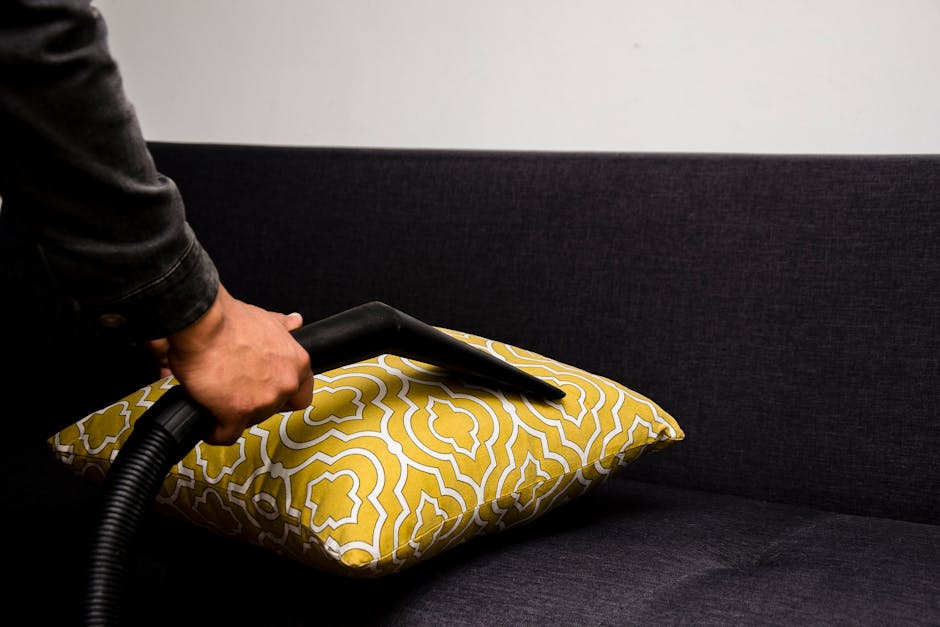
Upholstery cleaning prices Harrow Weald HA3 real cost guide
If you have been wondering what upholstery cleaning should actually cost in Harrow Weald HA3, you are not alone. Most people want a straight answer, but the honest one is a range, not a single magic number. Fabric type, sofa size, stains, access, drying time, and whether you need extra treatment all change the final bill. This upholstery cleaning prices Harrow Weald HA3 real cost guide breaks everything down in plain English so you can compare quotes properly, spot weak pricing, and avoid paying for things you do not need.
To be fair, most frustration starts when a quote looks cheap at first glance and then grows legs. That is why it helps to understand what is usually included, what costs extra, and which jobs are worth paying a bit more for. You will also find a practical checklist, a comparison table, and a realistic example based on the kind of everyday homes and flats you see around Harrow Weald.
Table of Contents
- Why upholstery cleaning prices matter
- How upholstery cleaning pricing works
- Key benefits and practical advantages
- Who this is for and when it makes sense
- Step-by-step guidance
- Expert tips for better results
- Common mistakes to avoid
- Tools, resources and recommendations
- Law, compliance, standards, or best practice
- Options, methods, or comparison table
- Case study or real-world example
- Practical checklist
- Conclusion
- Frequently asked questions
Why Upholstery cleaning prices Harrow Weald HA3 real cost guide Matters
Upholstery cleaning is one of those services where price can tell you a lot, but not everything. A very low quote may mean a rushed job, limited stain treatment, or no proper pre-inspection. A very high quote may include specialist fibres, heavy soiling, deodorising, or more labour than the average home actually needs. The trick is not chasing the lowest number; it is understanding value.
In Harrow Weald HA3, that matters even more because homes vary a lot. You might have a compact two-seater in a flat, a family corner sofa that has seen years of biscuits, football boots, and the occasional tea spill, or a dining chair set that just needs a freshen-up. Different items have different cleaning challenges. And yes, one grubby armrest can take longer than a whole seat sometimes. Annoying, but true.
Price transparency also protects you from hidden surprises. If a company gives a proper breakdown, you can see whether the cost includes:
- inspection and fabric testing
- vacuuming and pre-treatment
- spot stain treatment
- deep cleaning method, such as hot water extraction or low-moisture cleaning
- odour removal or sanitising
- furniture moving or return visit drying advice
When you know the moving parts, you can compare quotes properly. That saves money, but it also saves stress. Nobody wants a soggy sofa and a vague invoice.
How Upholstery cleaning prices Harrow Weald HA3 real cost guide Works
Most upholstery cleaning prices are built from a combination of item type, fabric condition, and cleaning method. The cleaner may price per seat, per item, or as a room-based minimum charge. In practical terms, that means a small job can cost more than expected if the company has a minimum visit fee, while a larger job may work out cheaper per item.
Here is how pricing usually gets calculated in real life:
- Item size and shape - A two-seater sofa is easier than a large corner sofa with chaise ends, recliners, or lots of cushions.
- Fabric type - Delicate fabrics, natural fibres, velvet, and specialist materials need extra care. That can increase the price.
- Soiling level - Light refresh cleaning is quicker than old grime, pet mess, grease, or drink stains that have set in.
- Stain or odour treatment - Extra treatments take time and product, so they are often charged separately.
- Access and setup - Tight hallways, lots of stairs, parking issues, or hard-to-reach items can add labour time.
- Drying and finish - Some methods dry faster and suit certain fabrics better; that affects the overall service value.
If you are comparing quotes, ask what the company considers standard and what they treat as an add-on. A good provider will explain it clearly. If they cannot, well, that tells you something too.
For readers who want to understand service standards more broadly, the company's pricing and quotes page is a useful place to see how a structured quote process should be presented. It helps set expectations before anyone arrives at the door.
Key Benefits and Practical Advantages
Good upholstery cleaning is not just about making a sofa look nice for a weekend. It can also improve day-to-day comfort and reduce the need to replace furniture too early. That is especially relevant when you have a decent suite that is still structurally sound, just a bit tired-looking.
- Better value than replacement - A professional clean can extend the life of furniture that still has good shape and support.
- Improved appearance - Fresh fabric often changes the whole feel of a room. It looks brighter, more cared for, less dull.
- Odour reduction - Cooking smells, pet odours, and general household build-up can linger in soft furnishings.
- Allergen and dust reduction - While not a medical treatment, cleaning helps remove embedded dust and debris.
- More comfortable living space - You notice it most when you sit down in the evening and the room just feels cleaner.
- Better first impression - Important for landlords, hosted homes, and anyone preparing a property for viewings.
One thing people often miss: price should be judged against the furniture's remaining lifespan. If a stain is cosmetic but the fabric is otherwise fine, cleaning can make a lot of sense. If the fabric is split, badly faded, or damaged, a clean may improve it a bit, but it will not work miracles. Let's not pretend otherwise.
For more specialist home care needs, related services such as sofa cleaning, rug cleaning, and curtain cleaning can be worth considering if several fabrics need attention at once.
Who This Is For and When It Makes Sense
This guide is useful if you are:
- a homeowner trying to budget for a one-off clean
- a tenant wanting to tidy up before moving out
- a landlord or letting agent preparing a property for new occupants
- a family dealing with heavy use, spills, or pet hair
- a business owner looking at upholstered seating in waiting areas or small offices
- someone comparing local quotes and trying to figure out what is fair
It makes sense to book upholstery cleaning when the furniture still has life left in it, but it looks dull, smells stale, or has visible marks. It also makes sense after hosting guests, during a seasonal reset, or after a pet accident that has dried into the fibres. Honestly, if you wait until the sofa looks absolutely defeated, the job becomes harder and more expensive.
If the issue is mainly staining or odour, it may help to pair upholstery cleaning with targeted stain removal or pet stain and odour removal. Those jobs are often where a little extra expertise really pays off.
Step-by-Step Guidance
If you want the cleanest result for the fairest price, a simple process helps. No drama, no guesswork.
- Identify the furniture pieces
List every item you want cleaned: sofa, armchair, dining chairs, footstool, headboard, or office seating. Count seats carefully because pricing often depends on seat count. - Check the fabric label if available
Look for cleaning codes or care instructions. If you do not have the label, take a photo and mention the fabric type when requesting a quote. - Note visible problems
Point out stains, pet damage, odours, heavy armrest wear, and any areas that feel sticky or greasy. It helps the cleaner estimate properly. - Ask what the quoted price includes
Make sure you know whether pre-treatment, stain work, and drying advice are part of the package. - Request a realistic time estimate
A rushed estimate may be a sign of a rushed clean. If the price is fair but the timing is impossible, that is a red flag. - Prepare the room
Clear ornaments, small tables, and fragile items. The more open the space, the smoother the job. - Follow drying guidance afterwards
Open windows if advised, avoid sitting on the fabric too soon, and do not cover damp upholstery with throws unless you have been told it is safe.
If you are unsure what cleaning method is best, the company's upholstery cleaning service page is a good reference point for understanding the service as a whole, especially if you are comparing different fabric care needs in one home.
Expert Tips for Better Results
Small choices make a big difference to the final bill and the final finish. In our experience, the best results usually come from clear communication before the cleaner even steps through the door.
- Be specific about stains - "Tea mark on the left arm" is more useful than "it's just a bit dirty."
- Tell the truth about the furniture's history - If there has been pet urine, baby spills, food grease, or smoke exposure, say so early.
- Ask about fabric testing - A cautious cleaner should test a small hidden area first, especially on delicate materials.
- Compare like for like - A cheaper quote that excludes stain treatment is not the same as a slightly higher full-service quote.
- Book before the problem gets deep-set - Fresh marks are usually easier and cheaper to treat than old ones.
- Keep an eye on room temperature and airflow - Drying is better when the room can breathe a bit. A chilly, closed room tends to hold moisture.
Here is a tiny but useful truth: a good quote often sounds boring. That is a good thing. The best operators tend to explain exactly what they will do, what they will not do, and what could change the final price. Boring is reassuring here.
For wider home-care support, combining soft furnishing cleaning with carpet cleaning can make a room feel properly finished, rather than half-done. That matters if you are cleaning the whole lounge, not just one item.
Common Mistakes to Avoid
Most bad experiences come from simple mistakes, not bad luck.
- Choosing only on the cheapest headline price - Low quotes can hide exclusions or minimum charges.
- Not describing the stains properly - If the cleaner arrives expecting a light refresh and finds heavy pet damage, the quote may need revising.
- Ignoring fabric limitations - Some upholstery is not suitable for aggressive wet cleaning.
- Forgetting access issues - Narrow stairs, parking, and loading time can affect the job price.
- Assuming every odour will vanish instantly - Some smells need targeted treatment, and some damage is deeper than the surface fabric.
- Booking too late before a move - Last-minute work often costs more and gives you fewer options.
And yes, one common mistake is leaving the old throw on the sofa until five minutes before the cleaner arrives, then wondering why the fabric underneath is a different colour. Happens all the time.
Tools, Resources and Recommendations
You do not need specialist equipment to prepare well, but a few simple things help.
- Camera phone - Take clear photos of stains and the full item before getting quotes.
- Basic measuring tape - Useful for checking sofa length, chair counts, and awkward corners.
- Fabric care label or seller details - Helps identify whether the material needs a cautious approach.
- Notebook or message thread - Keep all quote details together so you can compare them fairly.
- Good lighting - Natural daylight makes it easier to spot marks you might otherwise miss.
If you want a broader sense of how a professional company handles trust, it can be helpful to look at related pages such as insurance and safety, health and safety policy, and payment and security. Those pages do not tell you the cleaning price, of course, but they do help you judge whether the business feels organised and responsible.
For commercial or multi-room needs, you may also want to review commercial carpet cleaning if your upholstery work is part of a wider premises refresh.
Law, Compliance, Standards, or Best Practice
For upholstery cleaning, the most relevant "compliance" point is usually not a single law but the general duty to work safely, use products appropriately, and respect fabric care instructions. In the UK, reputable cleaners should be able to explain what they are doing, handle equipment safely, and avoid careless damage to furniture or surroundings.
Best practice usually includes:
- identifying the fabric before cleaning
- testing products in an inconspicuous area
- using suitable ventilation
- protecting floors and surrounding surfaces where needed
- being clear about limitations, especially on delicate fabrics
- keeping pricing transparent so the customer is not misled
If a cleaner cannot explain why a method is suitable for your furniture, pause. That is not being difficult; that is being sensible. A proper service should be able to stand up to a few plain-English questions.
It also helps to review practical company policies such as terms and conditions, privacy policy, and recycling and sustainability if you care about how a business handles customer information, service expectations, and waste-minded working. Those details do matter, even if they are not the glamorous part of the job.
Options, Methods, or Comparison Table
Different upholstery cleaning methods suit different fabrics and budgets. The right one depends on the item, the soil level, and how quickly you need it ready again.
| Method | Best for | Typical strengths | Possible drawbacks |
|---|---|---|---|
| Hot water extraction | Many durable upholstered items | Deep clean, strong soil removal, good for embedded dirt | Longer drying time, not ideal for every delicate fabric |
| Low-moisture cleaning | Sensitive fabrics or quicker turnaround | Faster drying, less water use | May be less powerful on very heavy soiling |
| Dry or foam-based methods | Specialist fabrics or light refreshes | Controlled moisture, useful for some delicate items | Not always best for deep stains or deep grime |
| Targeted stain treatment | Single problem spots, localised marks | Focused, efficient, often cost-effective | May need pairing with a full clean for best appearance |
Price-wise, the method matters because each one changes labour time, product use, and drying logistics. A low-moisture clean may cost more or less than extraction depending on the fabric and the provider's setup. So again, compare the whole quote, not just the headline.
For people who are trying to clean several soft furnishings at once, pairing upholstery work with mattress cleaning or steam carpet cleaning can be practical if the aim is a whole-room refresh. It is often more efficient than booking several separate visits.
Case Study or Real-World Example
Imagine a family home in HA3 with a standard three-seater sofa, two armchairs, and four dining chairs. The sofa has day-to-day wear, a couple of light marks on one arm, and some general dullness. One chair has a drink ring, and the family dog likes that corner of the room a bit too much. Very normal stuff.
A sensible quote for that job would usually depend on:
- how many individual seats are counted
- whether the sofa is a standard size or a large corner model
- the number of visible stains
- whether odour treatment is needed
- how much prep and drying time is involved
If the customer wants a freshen-up only, the job may be straightforward. If they also want stain reduction and odour treatment, the price should rise because the clean is more involved. That is fair enough. What would not be fair is pretending those extras are included when they are not.
The practical lesson here is simple: the best outcome comes from describing the furniture accurately and choosing a cleaner who explains the quote in detail. A good provider should not make you feel awkward for asking what is included. Quite the opposite, really.
Practical Checklist
Use this before requesting a quote or booking a visit.
- List every upholstered item you want cleaned.
- Count seats, cushions, and any unusual sections.
- Take photos in good light.
- Note stains, odours, and pet-related issues.
- Check whether the fabric has a care label.
- Ask what is included in the price.
- Ask whether stain treatment costs extra.
- Check drying time and aftercare advice.
- Make sure access is easy on the day.
- Confirm how payment is handled.
- Keep the quote details somewhere handy.
- Read the company's service and policy pages if you want extra reassurance.
A quick checklist like this can save a surprising amount of back-and-forth. And it tends to produce better quotes too, because the cleaner is working from solid information rather than guesswork.
Conclusion
The real cost of upholstery cleaning in Harrow Weald HA3 depends on more than just sofa size. Fabric type, stain level, odour work, access, and cleaning method all shape the final figure. Once you know that, pricing becomes much easier to assess. You stop guessing, and you start comparing properly.
If there is one practical takeaway from this guide, it is this: ask for a detailed quote, describe the furniture honestly, and compare service scope rather than only the headline number. That is how you get real value, not just a cheap-looking figure that turns messy later.
For a trustworthy next step, review the company's about us page if you want to know more about the people behind the service, and then move on to the quote details with clear expectations. Small bits of clarity make a big difference. They really do.
Get a free quote today and see how much you can save.
And if the sofa has been bothering you for weeks, maybe today is the day you sort it. A cleaner room has a funny way of making everything feel lighter.
Frequently Asked Questions
How much does upholstery cleaning usually cost in Harrow Weald HA3?
It depends on the item size, fabric type, stain level, and whether extras like odour treatment are needed. The fairest way to judge price is by comparing full quote details, not just the headline figure.
Is upholstery cleaning cheaper than replacing a sofa?
In many cases, yes. If the sofa is structurally sound and the issue is mainly dirt, dullness, or surface staining, a professional clean is usually much more economical than buying new furniture.
What affects upholstery cleaning prices the most?
The biggest factors are furniture size, fabric delicacy, stain severity, and access. Corner sofas, pet damage, and heavy grease marks typically increase the price because they take longer and often need more treatment.
Do stain removals cost extra?
Often they do. Some light stain treatment may be included, but specialist stain work is commonly priced separately because it requires extra products, testing, and time.
Can upholstery cleaning remove pet smells?
It can reduce many common odours, especially when paired with targeted pet stain and odour treatment. Deep-set smells may need more than one approach, and results can vary by fabric and how long the problem has been there.
How long does upholstery take to dry?
Drying time depends on the method used, airflow, room temperature, and how much moisture the fabric holds. Faster-drying methods exist, but a proper cleaner should always explain realistic expectations for your item.
Should I choose the cheapest quote?
Not necessarily. The cheapest quote can be the most expensive mistake if it leaves out fabric testing, stain treatment, or proper aftercare. Compare what is included, not just what is promised in one line.
Is it worth cleaning old upholstery?
Usually, if the furniture is still in decent condition. Older upholstery can respond very well to cleaning, but badly worn, torn, or faded fabric may only improve so much. A good cleaner should be honest about that.
Do I need to move furniture before the cleaner arrives?
Usually you only need to clear the area around the item and remove small objects, unless the company tells you otherwise. It is best to ask in advance because access and preparation can vary from job to job.
What should I ask before booking upholstery cleaning?
Ask what the price includes, whether stain treatment is extra, what method will be used, how long drying will take, and whether there are any fabric restrictions. Straight questions are best here. No need to dress it up.
Can upholstery cleaning help if the sofa looks dull but not stained?
Yes. A refresh clean can lift general grime, body oils, and dust build-up, which often makes the fabric look brighter and more even. That alone can transform a room a bit, especially in natural daylight.
Where can I check service policies before booking?
You can review relevant company pages such as terms and conditions, payment and security, and insurance and safety to better understand how the service is run and what to expect.